The Countdown Is On!
Time until race day -->
Row The Atlantic 2028

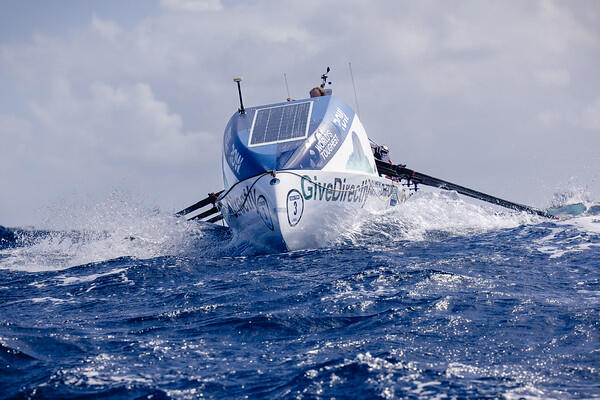
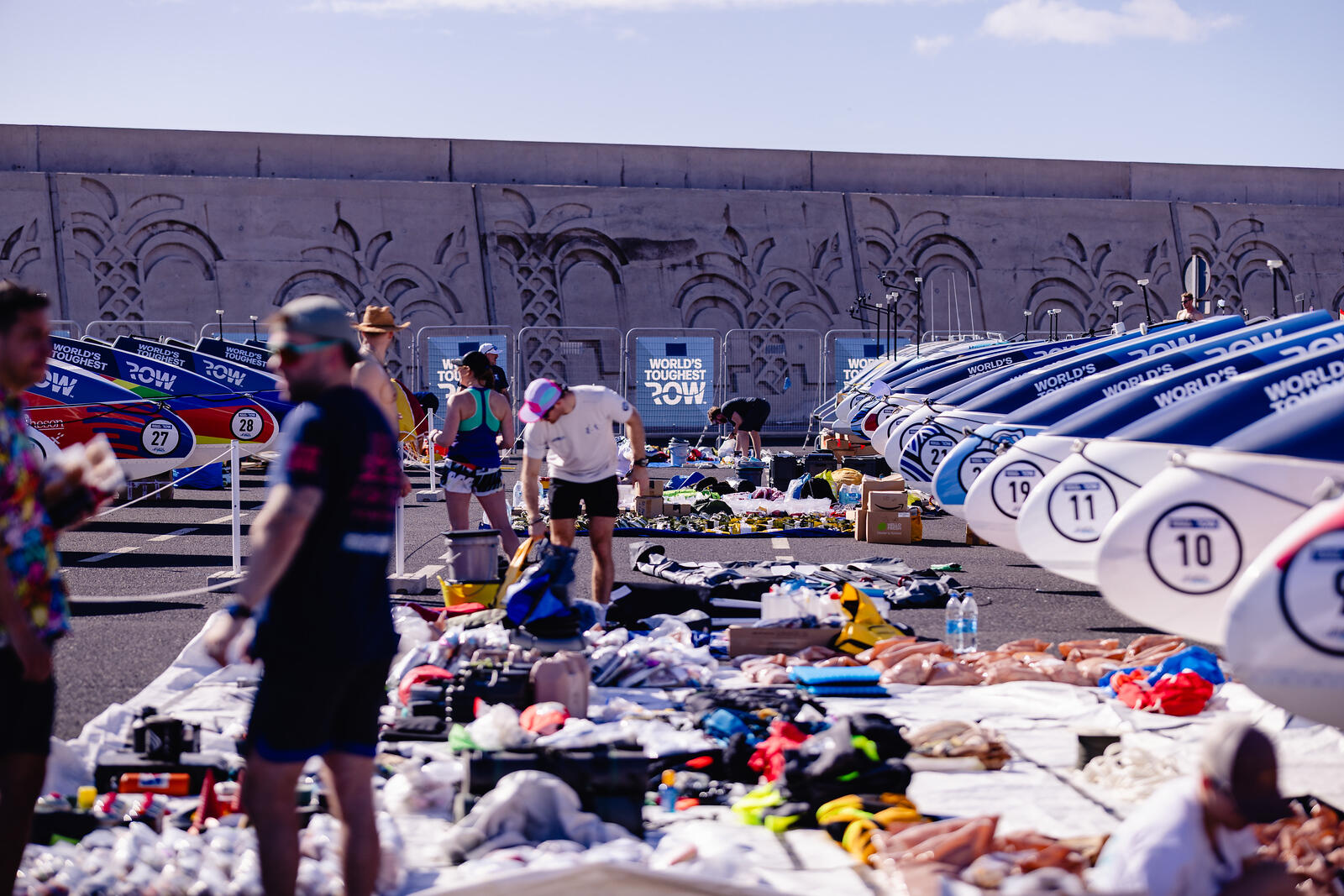
The World’s Toughest Row brings together teams from all walks of life united by the same objective: to take on the unique challenge of crossing an ocean in a rowing boat.The atmosphere is electric as people help each other prepare for the challenge of the mighty Atlantic Ocean.Teams battle with sleep deprivation, salt sores, and physical extremes inflicted by the race.Rowers are left with their own thoughts, an expanse of the ocean and the job of getting the boat safely to the other side.Learn more about the World's Toughest Row here:
The Challenge
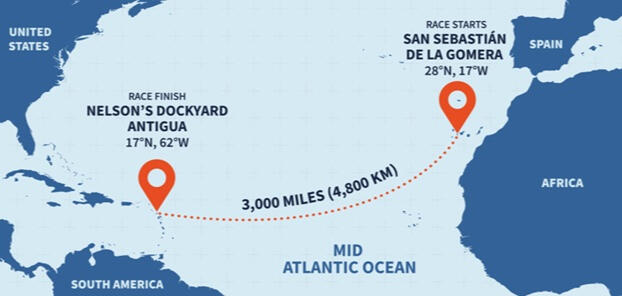
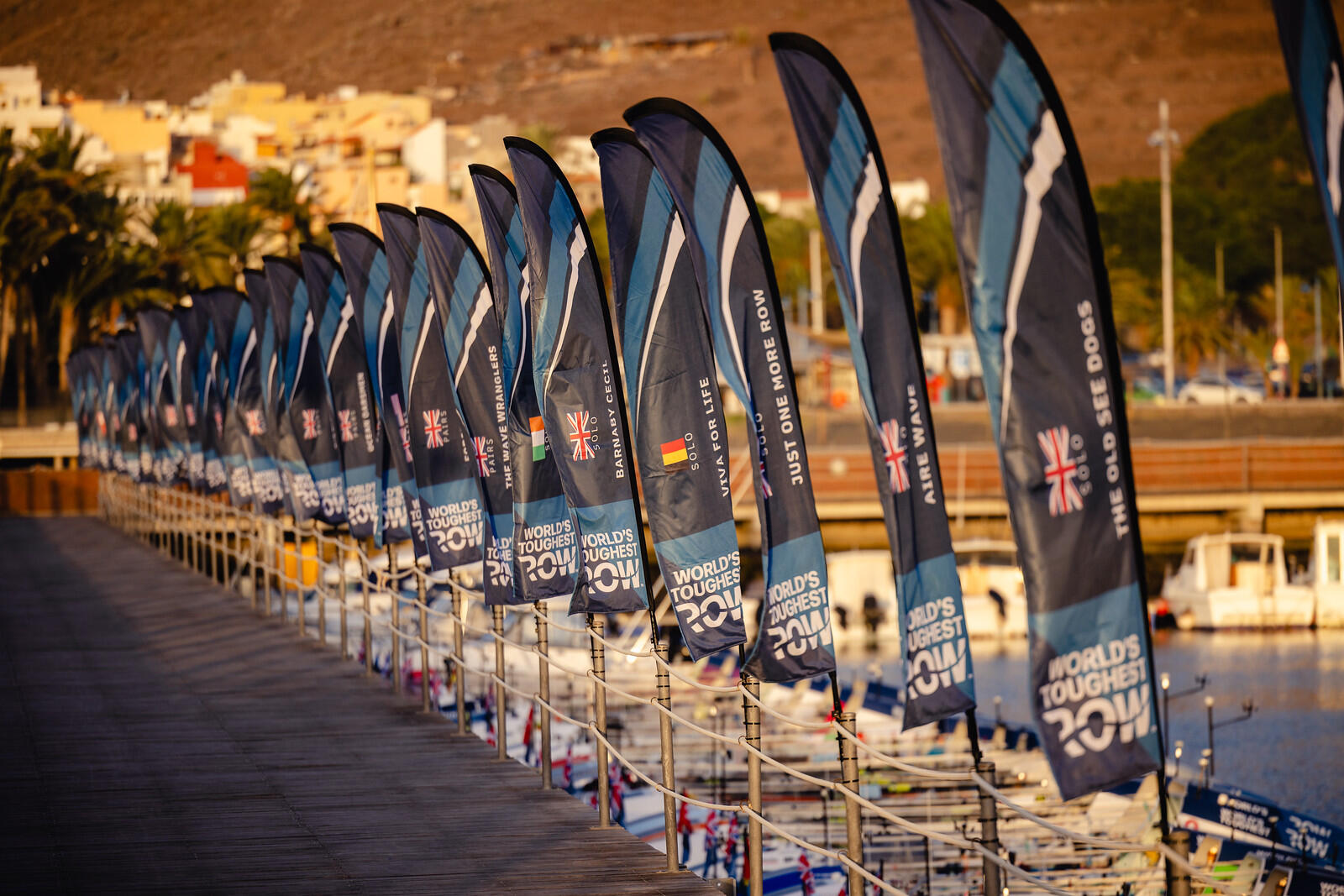
The World’s Toughest Row - Atlantic isn’t just a race against other boats. It’s a race against extreme fatigue, storms, isolation, and your own limits.Starting in La Gomera (Canary Islands) and finishing in Antigua (Caribbean) this is a 3000 mile (4800km) human-powered crossing of the Atlantic Ocean - rowed entirely by hand. No engine. No sail. Completely unsupported.For 50–60 days at sea, every mile is earned. Every decision matters. Every mistake is amplified by the ocean. There’s no support crew. No pause button. Over the course of 3,000 miles, I’ll row for up to 16 hours a day, navigating storms, fatigue, and the physical demands of sustained effort.This attempt aims to become the first solo east-to-west Atlantic Ocean crossing by a Canadian woman, a historic first that will be formally recognized by Ocean Rowing Stats.
Race Facts
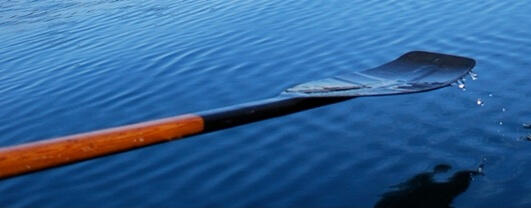
• Each team will row over 1.5 million oar strokes to cross the Atlantic — the same motion, repeated day and night, for weeks at sea.

• Whenever a rower is on deck, they must be clipped to the boat via a three-point safety harness, ensuring constant attachment to the vessel in all conditions.
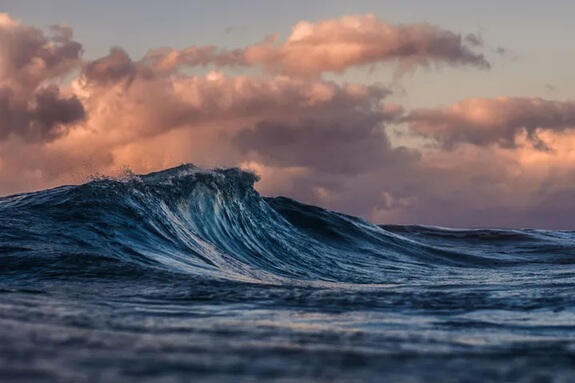
• The Atlantic Ocean reaches depths of over 8.5 km (5.28 miles), with waves that can rise to 20-30 feet — a reminder of how small a human-powered boat really is.

• Rowers burn more than 5,000 calories per day, often losing around 18 lbs over the course of the crossing.

• More people have climbed Mount Everest than have rowed across an ocean.
About Lisa
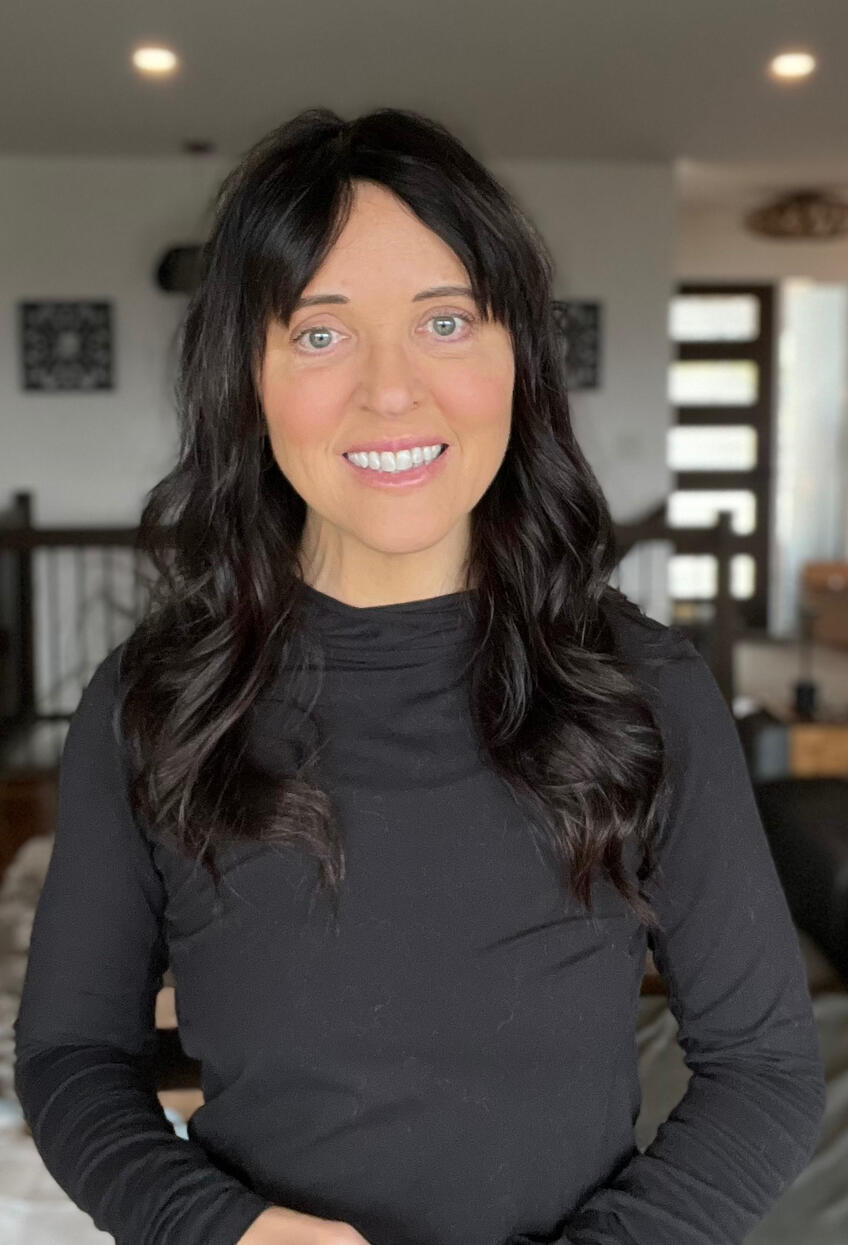
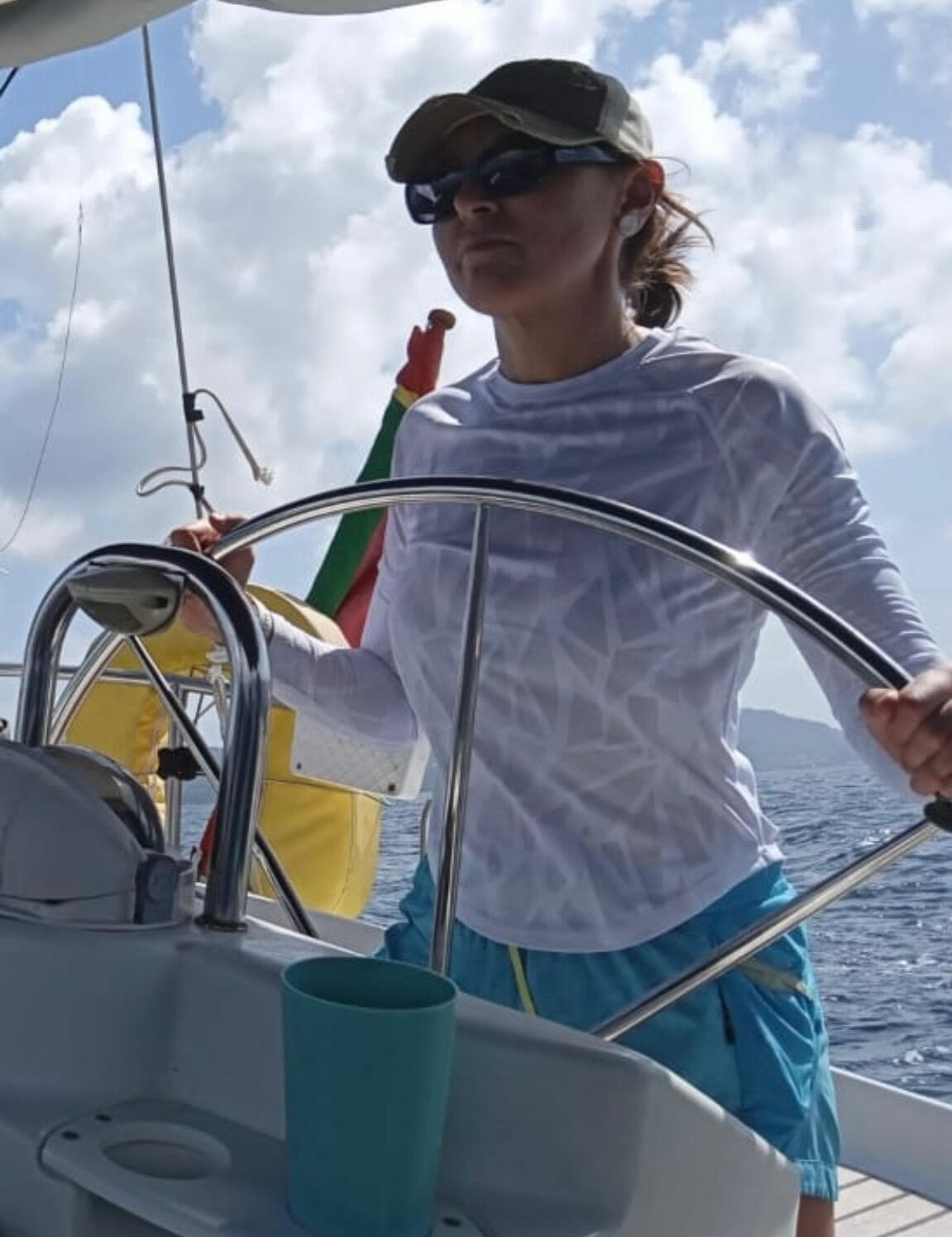
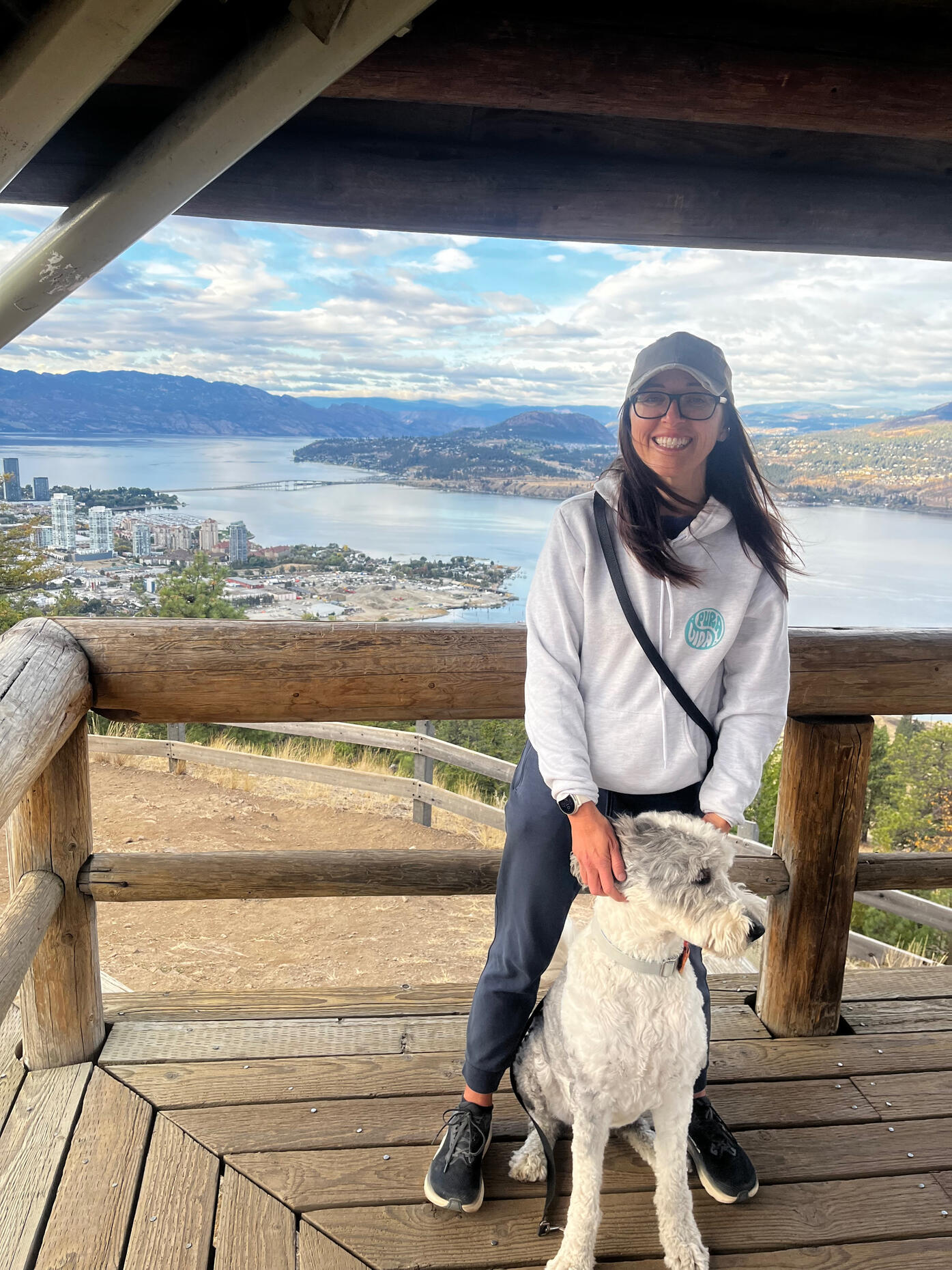
I’m Lisa, the person behind Atlantic Exhale. Originally from Newfoundland and now living in British Columbia, Canada, I’ll row the Atlantic Ocean solo in December 2028. This will be my first official ocean race, and when I cross the finish line, I’ll become the first Canadian woman to complete the east-to-west crossing solo - a milestone officially recognized by Ocean Rowing Stats.My preparation is rooted in respect for the ocean and thoughtful seamanship. I’ve completed my RYA Competent Crew certification in Grenada and my Day Skipper certification in Vancouver, gaining foundational offshore experience and navigation skills that inform how I train, plan, and make decisions at sea.This row isn’t about proving toughness or fighting the ocean, although I’m sure it’ll try to argue otherwise. It’s about showing up, staying steady, and moving forward with intention, one oar stroke at a time. Everything I do - training, routines, planning - is focused on building clarity, resilience, and confidence.I’m not rowing to impress anyone. I’m rowing to commit fully, to see what I’m capable of, and to carry the lessons from this crossing long after the Atlantic is behind me.
The whys behind the why....1. I’ve never done anything like this so I have no reason to believe I can’t.2. There’s something about taking on a challenge this extraordinary that excites me. The thought of it genuinely lights me up!3. I’m more afraid of regret than the challenge.
Support the RowPreparing for a solo Atlantic crossing is a huge undertaking. Between training, logistics, safety equipment, electronics, spare parts, and the boat itself, the costs add up quickly.If you’d like to support this adventure and help me make it across the Atlantic, you can contribute [here]. Every contribution - big or small - makes a difference and is hugely appreciated.Thank you for being part of this journey!
Sponsorship Opportunities
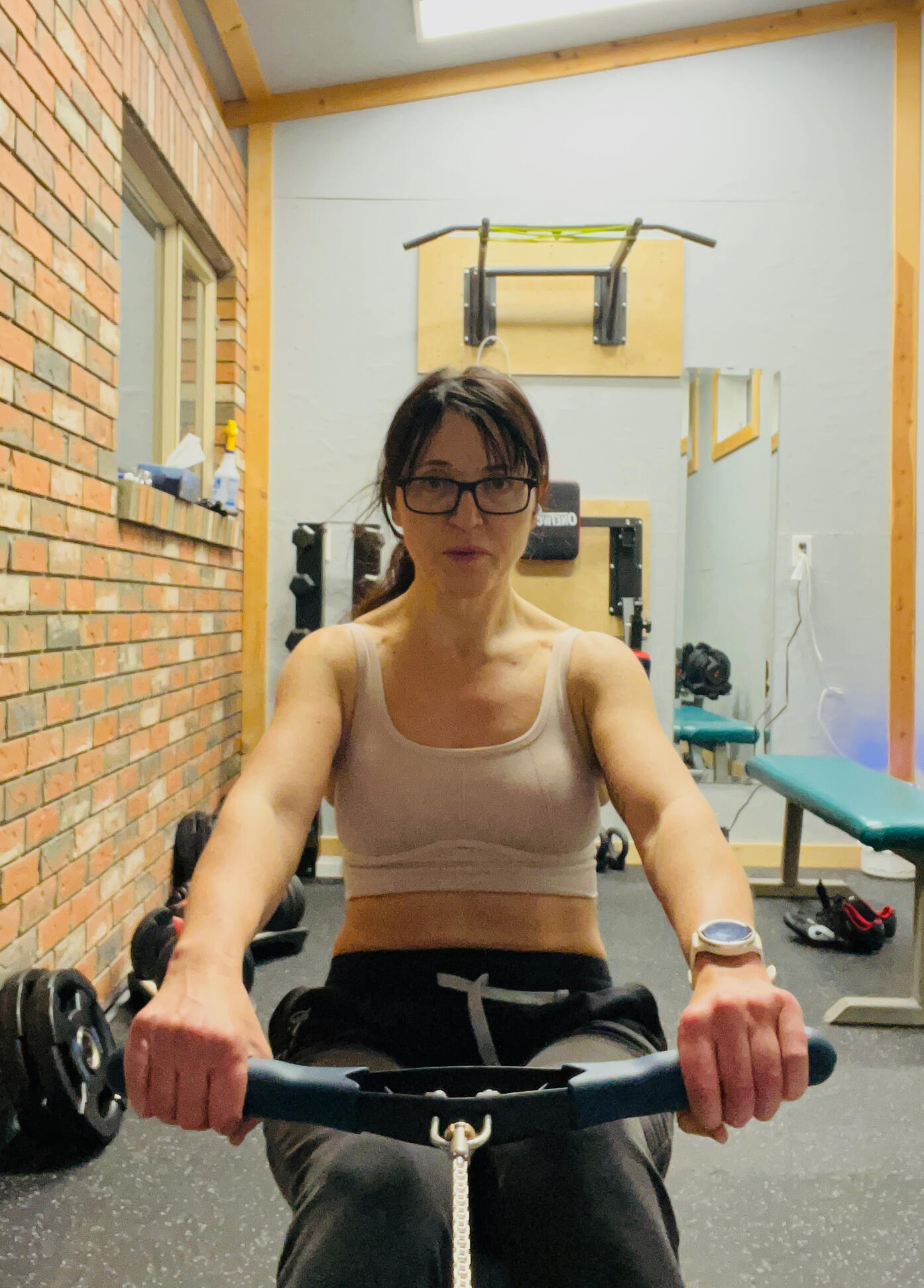
Step into the heart of the challenge with me as I tackle the world’s toughest row!Facing relentless Atlantic storms and towering 40-foot waves, I’ll be testing my physical and mental limits like never before. Rowing solo for up to 16 hours a day, I’ll navigate 3,000 miles of open ocean. The challenge goes beyond distance - it’s the fatigue, the seasickness, and the disorienting effects of complete isolation.This isn’t just a row; it’s a true measure of resilience, determination, and the strength of the human spirit - a solo voyage into the unknown.Crossing an ocean isn’t just a physical challenge - it’s a financial one too. Before I can reach the start line, I must raise the funds to make this campaign possible. Your sponsorship will not only help turn this challenge into reality, but also connect your brand with a story of endurance, purpose, and lasting impact.This is your opportunity to be part of something bigger. Access the full information package below.
The Charity

My story:I was diagnosed with asthma at five years old and managed the condition for more than 45 years with daily inhalers and long-term medical treatment, including several years of immunotherapy. 2 years ago, after altering my nutritional intake under the guidance of a Naturopathic Doctor to eliminate certain foods, my asthma symptoms resolved completely and I no longer require inhalers.I am not presenting this as a medical conclusion or general recommendation. Rather, it was a lived experience that highlighted how much we still don’t understand about individual asthma triggers, variability, and personalized responses to treatment.Through my participation in the World’s Toughest Row, I hope to fundraise in support of asthma research - particularly work that encourages deeper inquiry into asthma mechanisms and more individualized approaches to care.I have partnered with Asthma Canada to generate meaningful funding that strengthens patient support, advances scientific discovery, and drives systemic improvements in asthma care.
About Asthma Canada:Asthma Canada is the only national, patient-driven charity solely focused on improving the quality of life for the more than 4.8 million people in Canada living with asthma and respiratory allergies.For over 50 years, they have proudly served as the national voice for people affected by asthma - empowering individuals through trusted, evidence-based resources, educational programs, and by supporting life-changing research and advocacy efforts across the country.As a registered charity (BIN 89853-7048-RR0001), Asthma Canada is governed by a volunteer Board of Directors. Their national office, based in Toronto, works in close partnership with healthcare professionals and dedicated volunteers from coast to coast to advance their mission and reach communities nationwide.Their vision is a future without asthma.Their mission is to help people living with asthma lead healthy lives through education, advocacy, and research.
The Boat
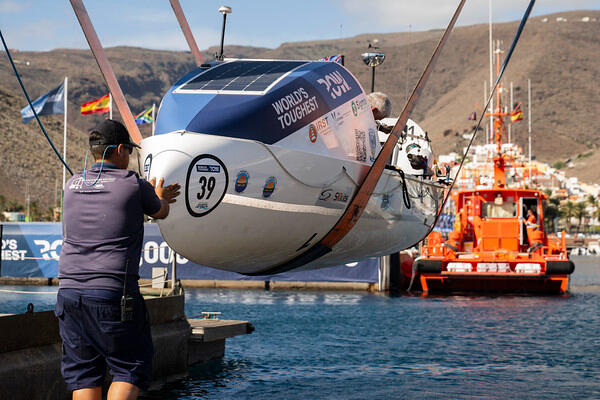
Ocean rowing boats are purpose-built vessels designed to safely cross open oceans under human power. A pair setup provides two rowing positions for redundancy and flexibility and is my intended configuration for this row, with final selection confirmed through sponsorship.
Design & Construction• Typically 7–8 metres (23–26 ft) long and built from reinforced composites for strength, durability, and buoyancy.• Self-righting hull ensures the boat can recover if capsized in heavy seas.• Watertight compartments provide flotation, storage, and safety redundancy.
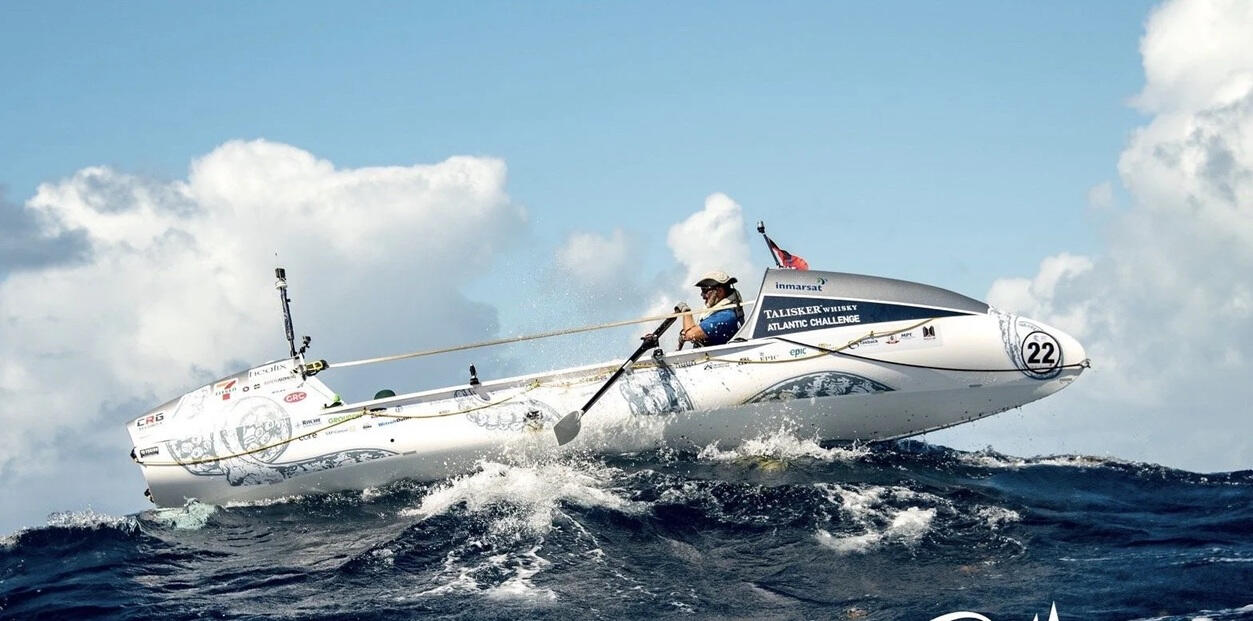
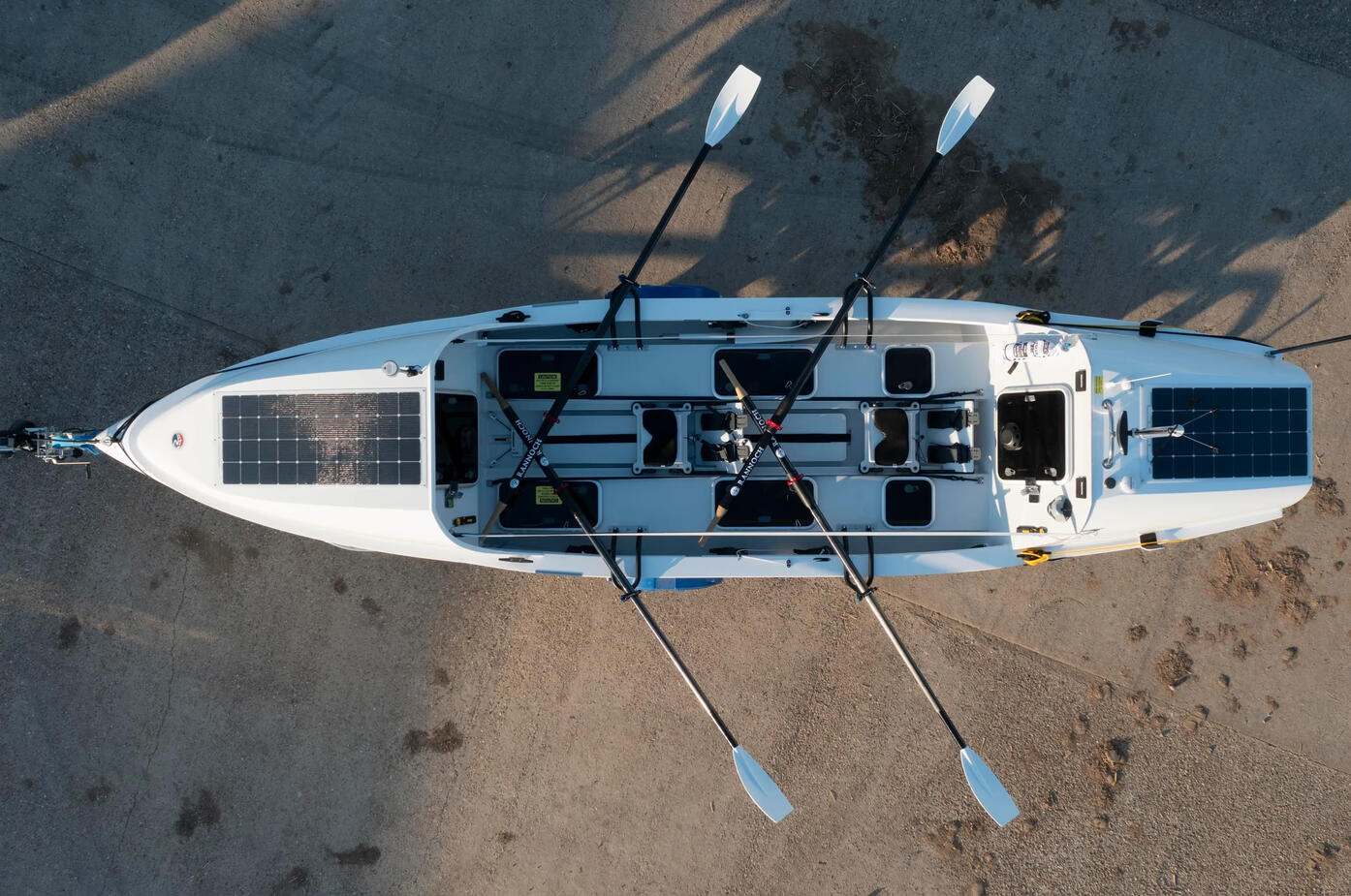
Stability & Sea Handling• Designed for open-ocean conditions, including swell, breaking waves, and variable weather.• High freeboard and rounded hull shape improve stability and reduce broaching risk.• A rudder system controlled from the rowing position as well as an auto helm, allows precise steering.These boats are not designed to “fight” the ocean, but to move with it - maintaining steady progress rather than forcing speed.
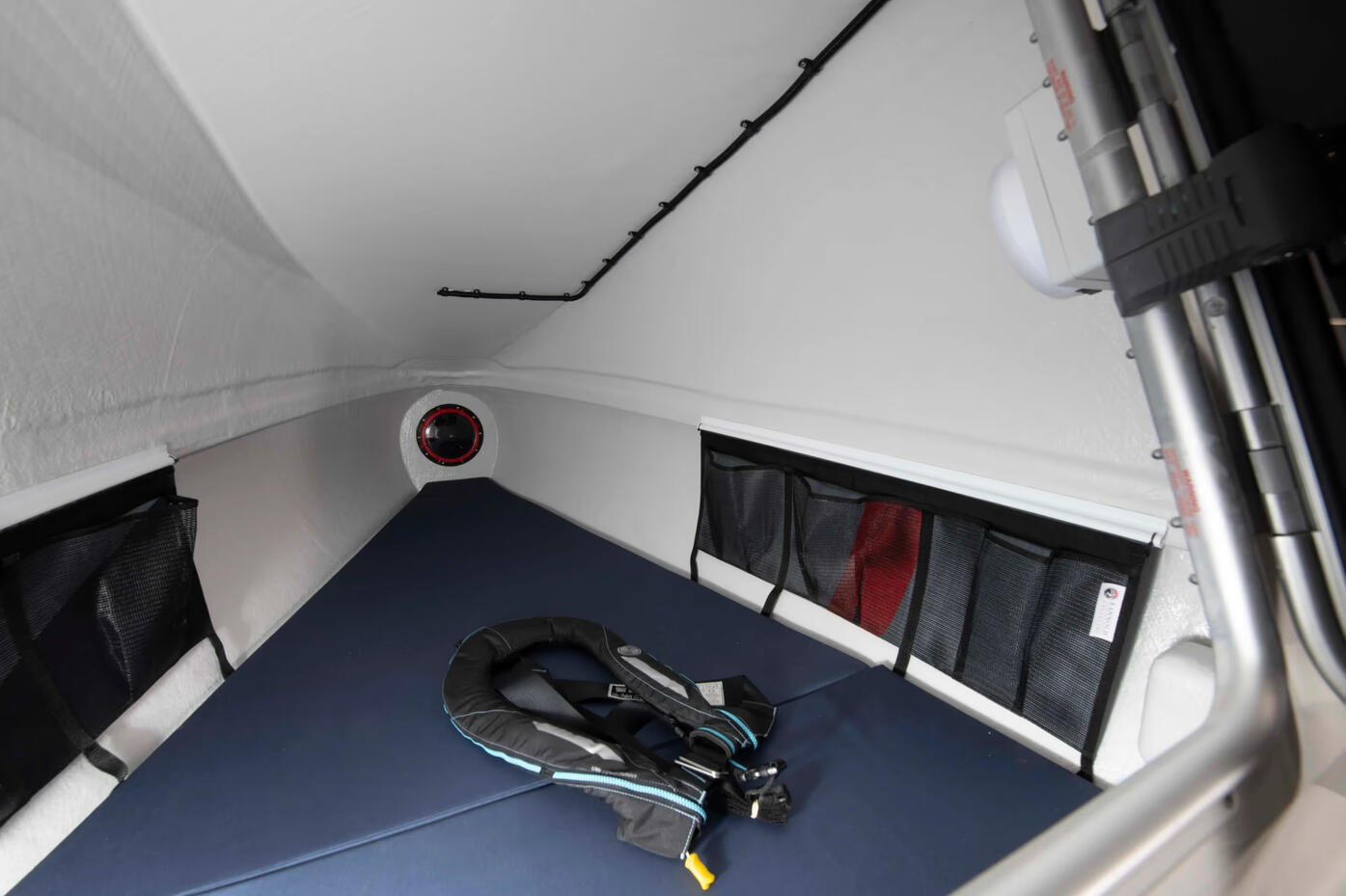
Living & Self-SufficiencyOcean row boats are fully self-contained:• Enclosed cabins at bow and stern for sleeping and shelter.• Storage for food, water, safety equipment, and spare parts.• Solar panels power navigation, communication, and safety electronics.• Desalination systems provide fresh drinking water.Everything needed for weeks at sea is carried onboard.
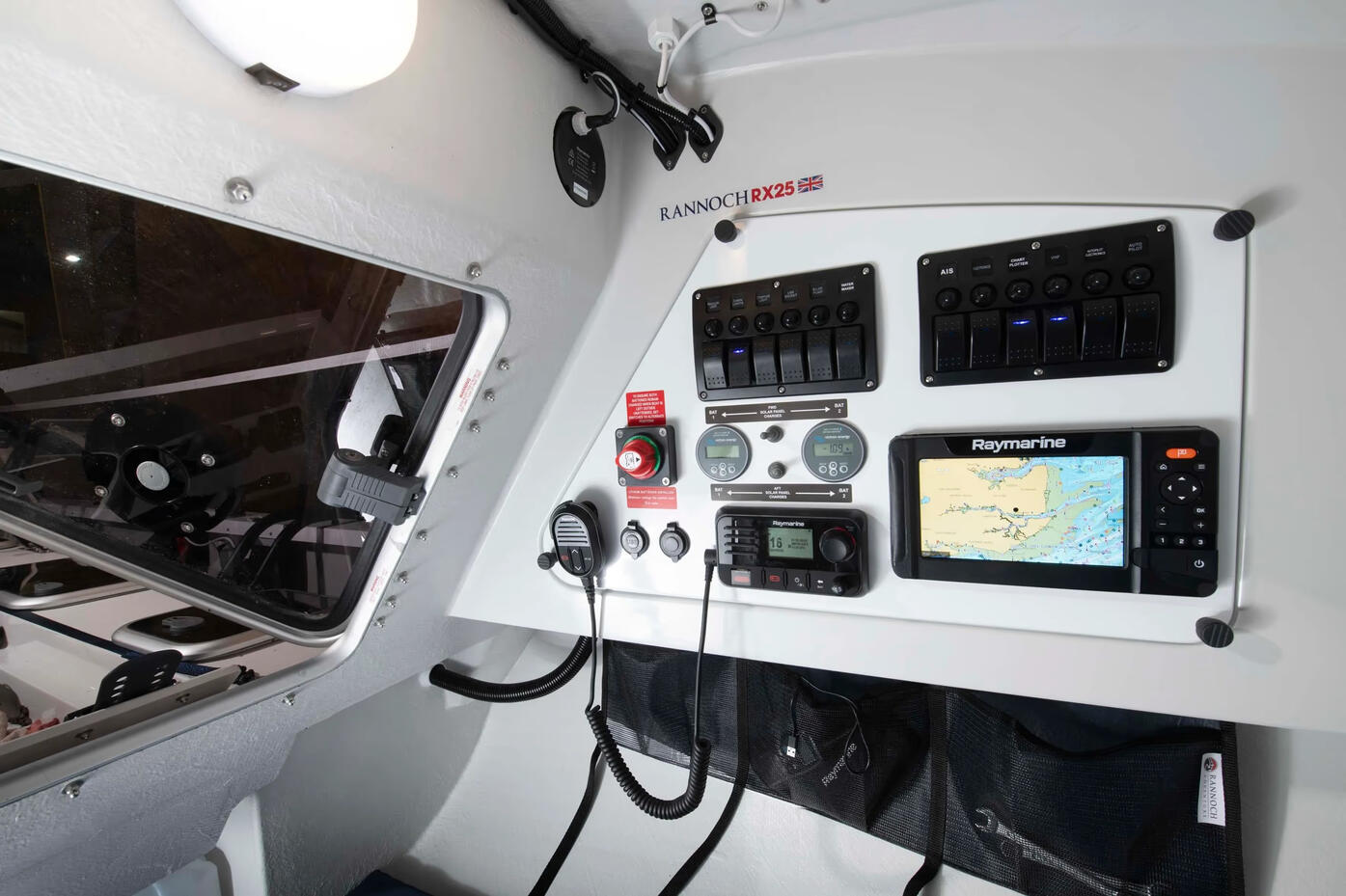
Safety Systems• AIS, satellite communications, and emergency beacons.• Multiple bilge pumps (manual and electric)• Sea anchor / drogue for heavy weather.• Redundant navigation and power systems.Safety is designed into the system rather than added as an afterthought.